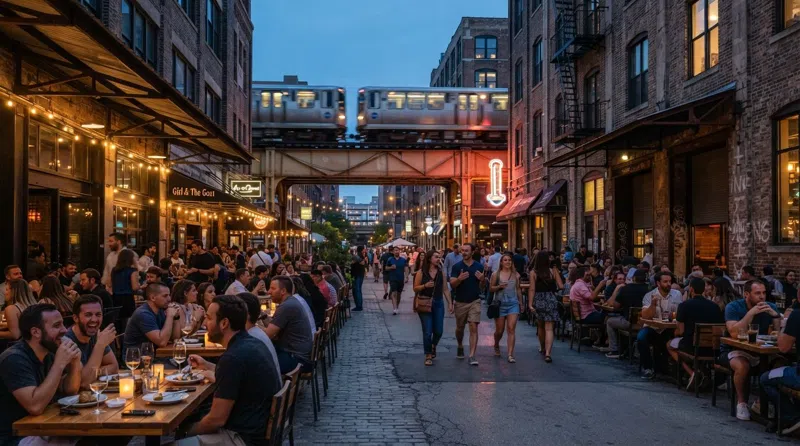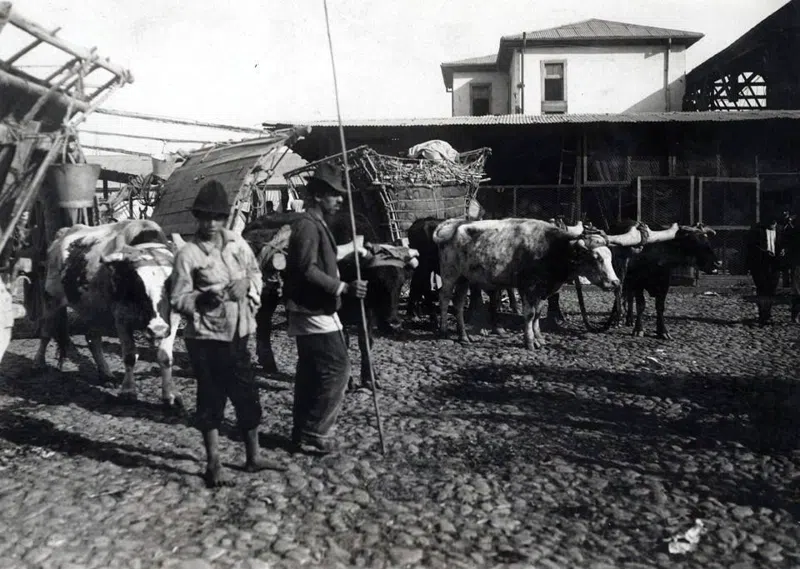

Spring on the Highveld is a change of light more than a change of temperature. The mornings stay sharp, the afternoons swell, and from late October the storms arrive on something close to a schedule, building over the ridges around four o'clock and clearing by seven. Johannesburg answers by moving outdoors: onto market lawns in Emmarentia, into gallery courtyards in Rosebank, out to sculpture fields an hour west of the tollgates. The city is easier to read in this season than in any other.
What follows skips the coach-stop circuit and stays with the places Johannesburg uses itself on a Saturday. Almost all of it is walkable once you are in the right precinct; almost none of it is walkable between precincts, and that one fact shapes every itinerary here.
Markets that carry the weekend
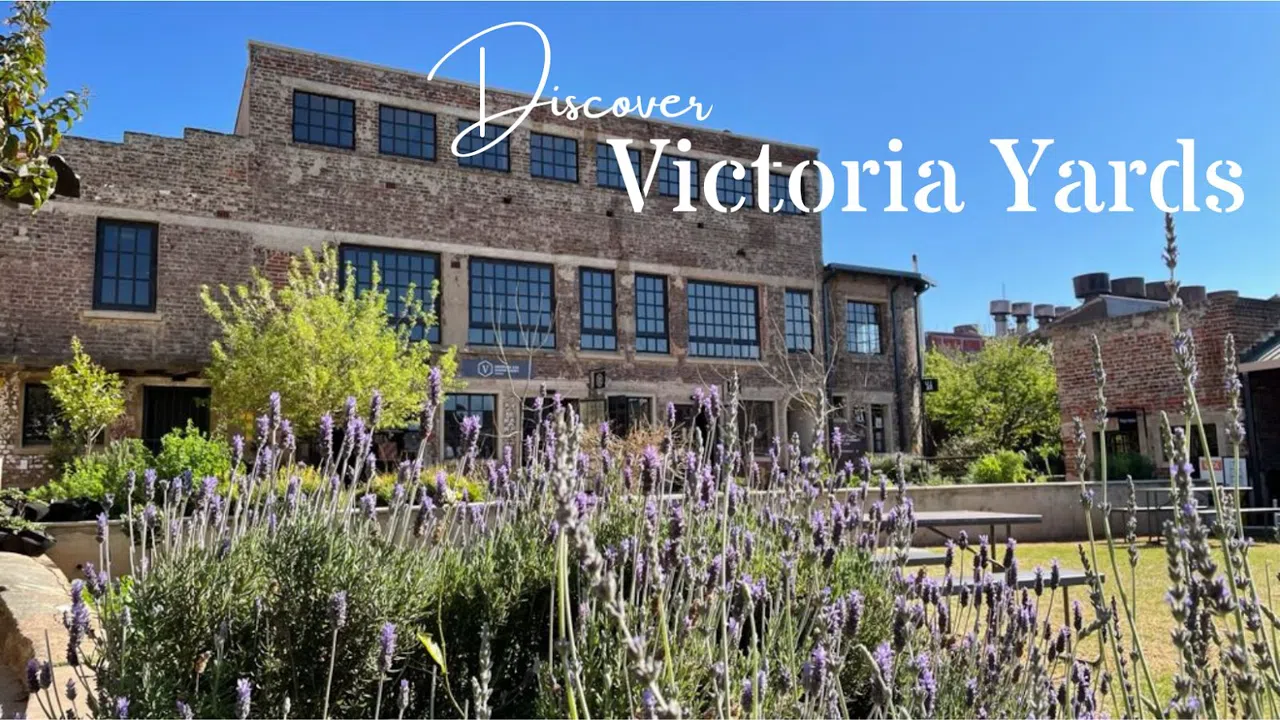
Victoria Yards sits at 16 Viljoen Street in Lorentzville, east of the old industrial belt, in a run of repurposed workshops that now hold artists' studios, small kitchens and a set of productive gardens between the buildings. It opens Monday to Friday 09:00-17:00, Saturday 10:00-17:00 and Sunday 10:00-16:00; entry is free and the parking is off-street and guarded, which in this part of the city counts for more than the coffee does. The date to plan around is the First Sunday open-studio morning, held the first Sunday of every month except January, when the studios unlock and the whole place fills. It is genuinely crowded, so arrive before 11:00 if you want to speak to anyone who is actually working. Food and drink run R60-R180. Groups can walk in unannounced on an ordinary day, and the office arranges private or corporate visits if you want studios opened for you.
The Playground (Braamfontein) occupies the site that traded for a decade under a different name, so ignore any listing still calling it the Neighbourgoods Market: same building, different operation. It runs Saturdays only, 11:00-19:00. Entry is free until midday and R20 after that, card only, and the market is cashless throughout, so bring a bank card rather than notes. Under-12s go free. Local artists play through the afternoon and the crowd skews young and student-adjacent, which is Braamfontein generally. Parking is thin on the surrounding streets, so take a ride-hail rather than circling. Food and drink land around R80-R200.
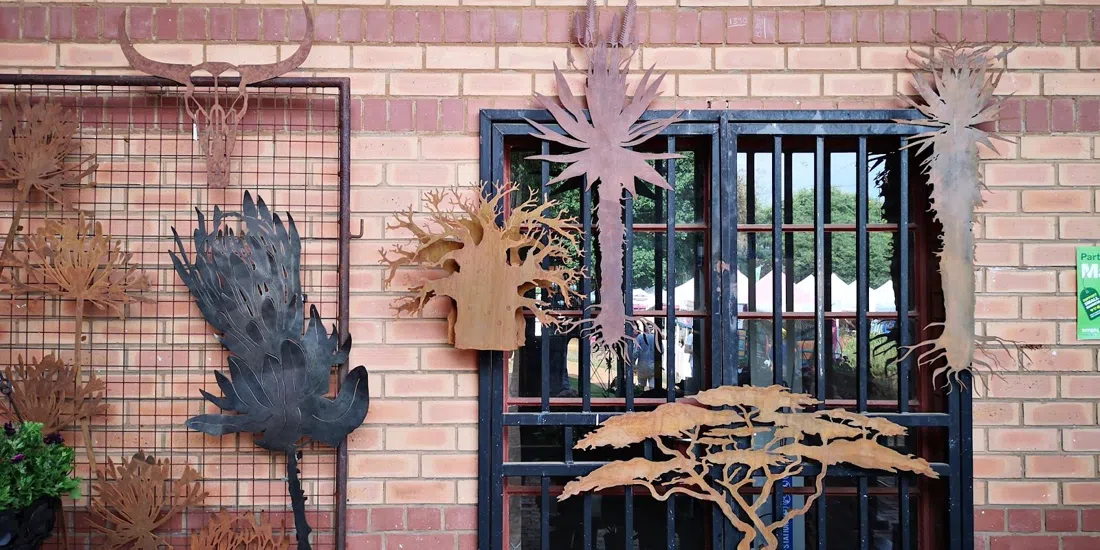
The Linden Market has been misnamed for years. It left Linden's main street and now runs inside the botanical gardens in Emmarentia, with entrances at 45 Thomas Bowler Street and on Olifants Road. There are four editions a year and the spring one falls on 26-27 September 2026, gates 09:00-16:30, with more than 150 stalls of design, ceramics, clothing and food spread across open parkland. Entry is free to nominal and stall spend realistically runs R100-R400 a head. Parking is R20 in the grounds of Roosevelt High School on Thomas Bowler Street. The parkland setting is the practical advantage: prams, grandparents and groups of eight all work here in a way they do not inside a converted warehouse.
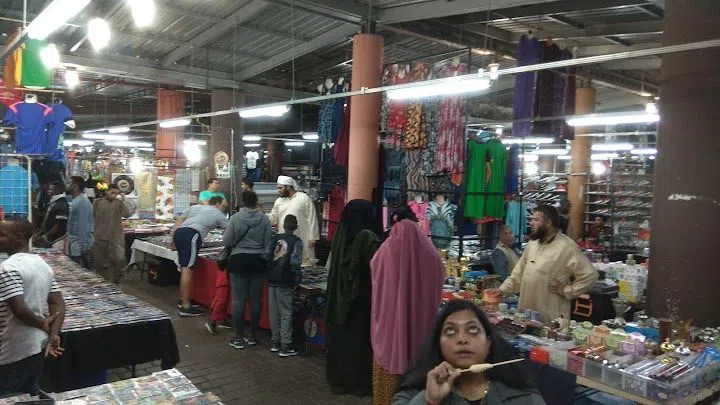
Fordsburg Night Market (Fordsburg, west of the centre) is the cheap end of eating well in Johannesburg: samosas, biryani, tikka kebabs, grilled meat and sweets sold from stalls and shopfronts in the city's Indian and Malay quarter, a district shaped by the forced removals that emptied nearby Fietas in the 1970s. Plates run R30-R120. Friday and Saturday evenings are the peak, and the atmosphere is open-air and unpolished. This is a working commercial strip rather than a curated food court, which is the reason to go. Park in a guarded lot rather than on the street, and keep your phone in your pocket while you are standing at the kerb.
Galleries, a museum and one precinct worth the afternoon
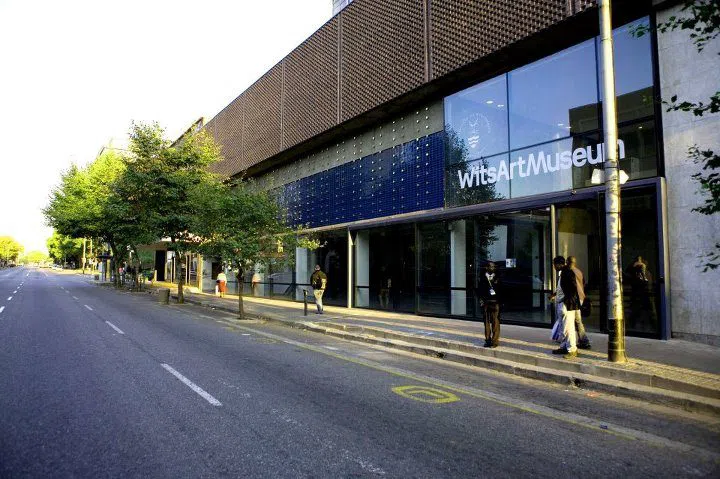
Wits Art Museum (Braamfontein) is free, opens Tuesday to Saturday 10:00-16:00 and closes on public holidays. Its holdings of classical, modern and contemporary African work are serious, the kind of collection that would anchor a ticketed institution elsewhere, and most visitors to the city walk straight past the entrance. An hour is enough for a single-floor visit, and it pairs neatly with lunch a few blocks away. Groups and guided visits need to be arranged in advance by phone or email; do not arrive twelve-strong and expect a guide.
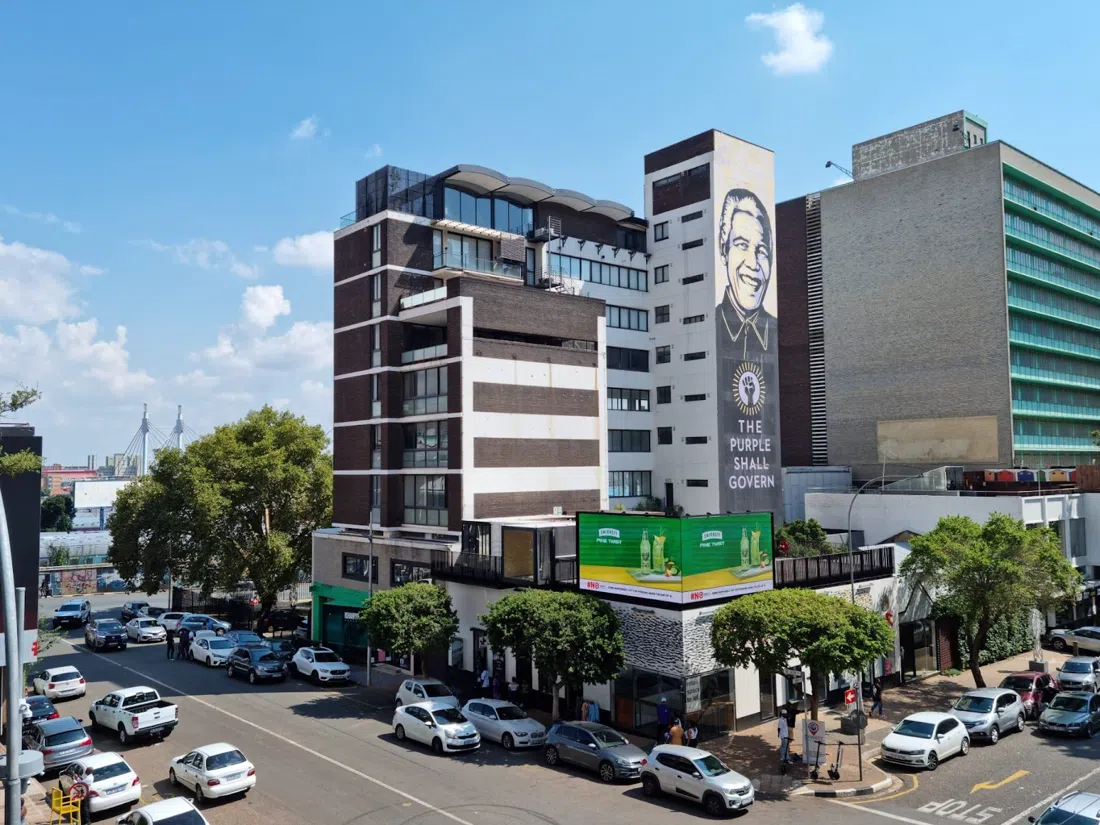
Keyes Art Mile (Rosebank) is the commercial gallery strip, and the galleries themselves are free and walk-in. Everard Read is the oldest commercial gallery in the country and CIRCA, the drum-shaped building opposite, handles the more contemporary end of the same stable. The precinct plan was formally registered in 2026, so expect construction hoarding alongside the new openings; check before you build an evening around it. First Thursdays, when galleries stay open late, suits a group better than a weekday lunchtime does. Restaurants on the upper levels take bookings and run R250-R600 a head.
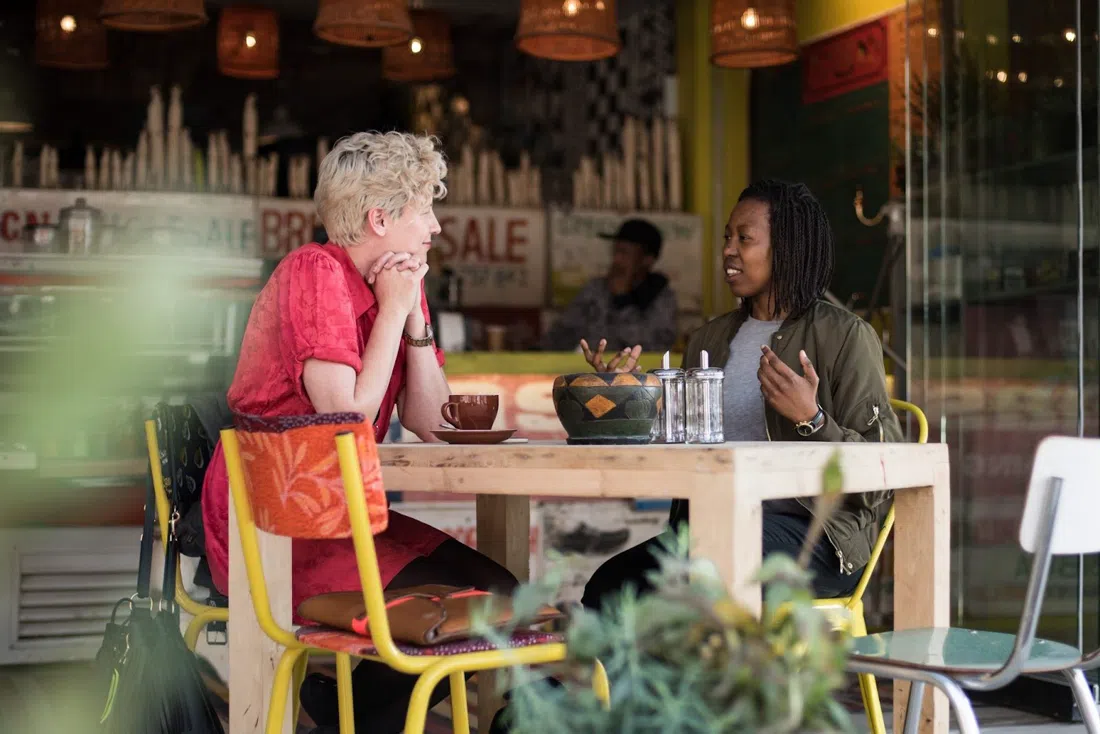
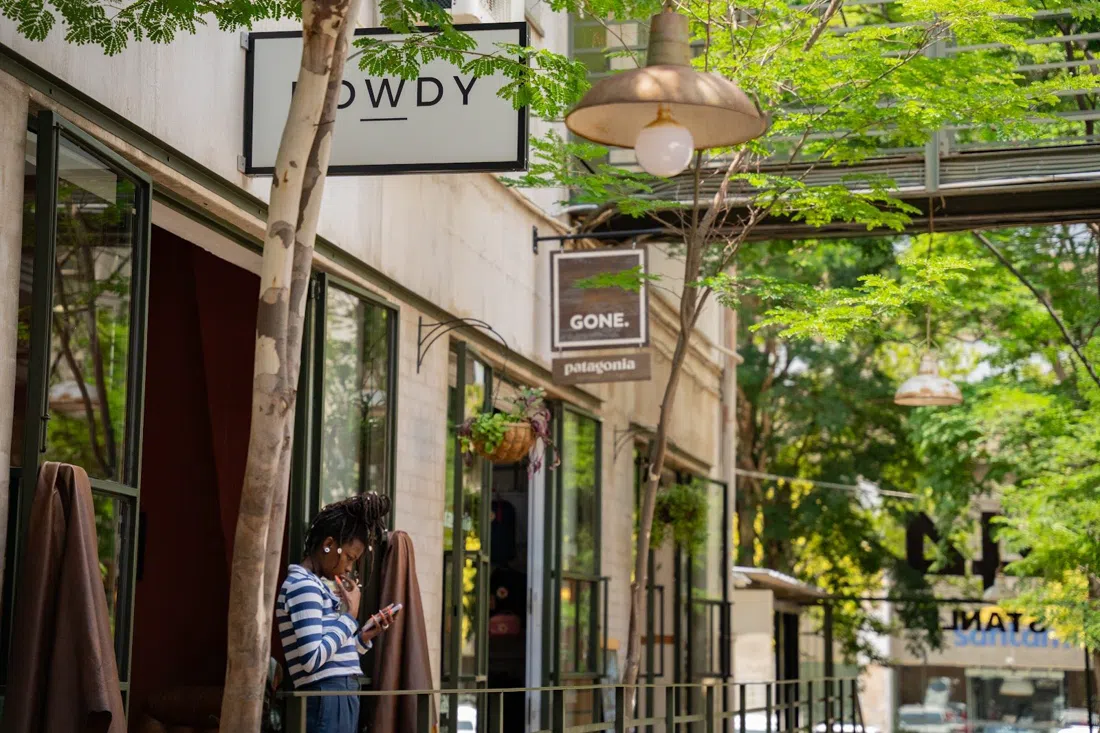
44 Stanley (Milpark) is nothing like a Sandton mall: roughly 25 independent boutiques, studios, bookshops and restaurants arranged around linked brick courtyards on the site of old industrial buildings, plus an independent cinema. Coffee is around R40 and lunch R150-R350. It is quiet on Mondays to the point of feeling shut, so go late morning at the weekend instead. The courtyards seat groups comfortably, the whole site is walkable and secure, and individual restaurants take their own bookings.
Where the music and the theatre are
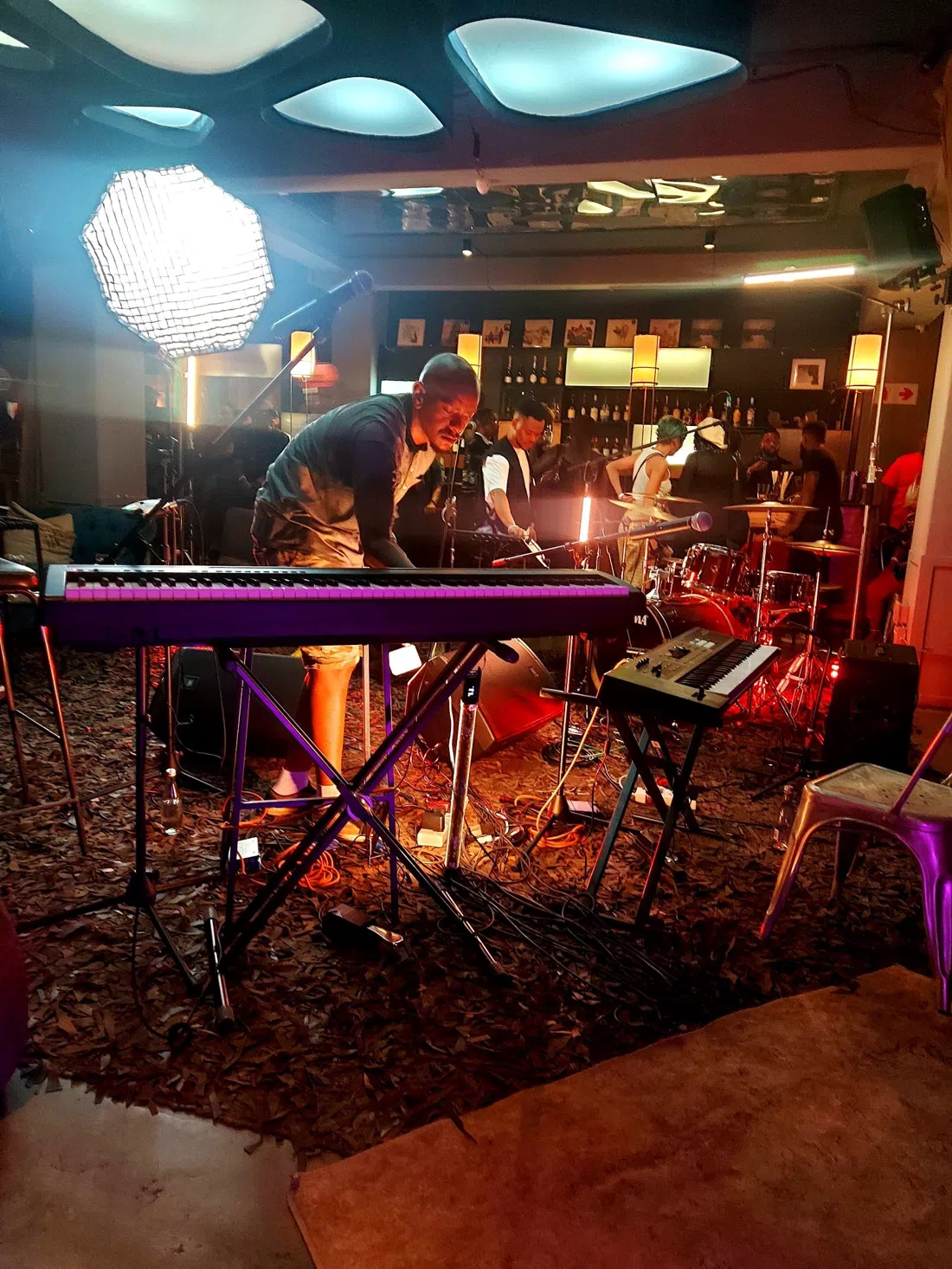
Untitled Basement (Braamfontein) is the most committed live-jazz room in the area, with weekly nights and regular sets from players at the top of the South African scene. Tickets run R150-R350 and drinks R50-R120. The room is small by design, so anyone bringing more than six should message ahead, and the bigger names sell out online well before the door. Treat it as a gig you have bought a ticket for rather than a bar you drift into after dinner.
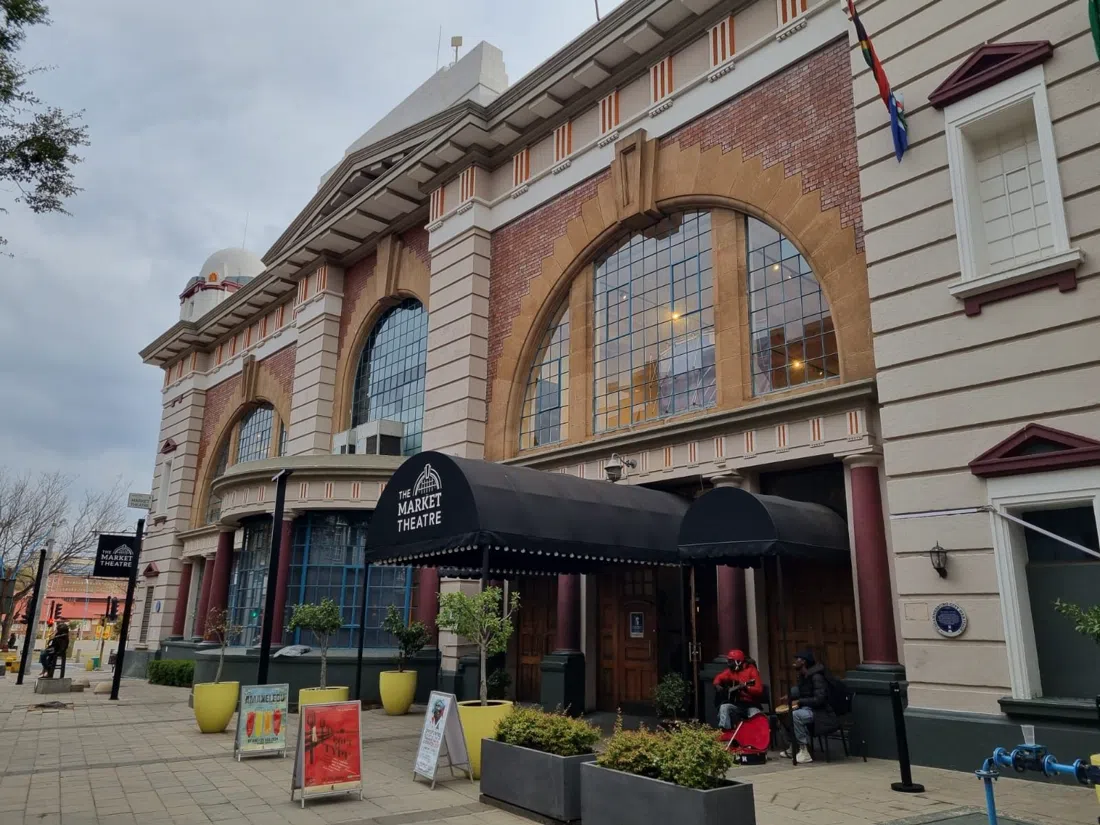
The Market Theatre (Newtown) turns fifty in 2026, having opened in the middle of the decade that produced the work it became known for, and it still programmes new South African writing alongside dance seasons such as JOMBA!. Three stages means the range on any given week runs from hard political drama to comedy, so check the listings rather than booking blind. Tickets are R120-R250, the box office handles group and school bookings, and the adjacent Newtown parking is secure, which matters for an evening show.
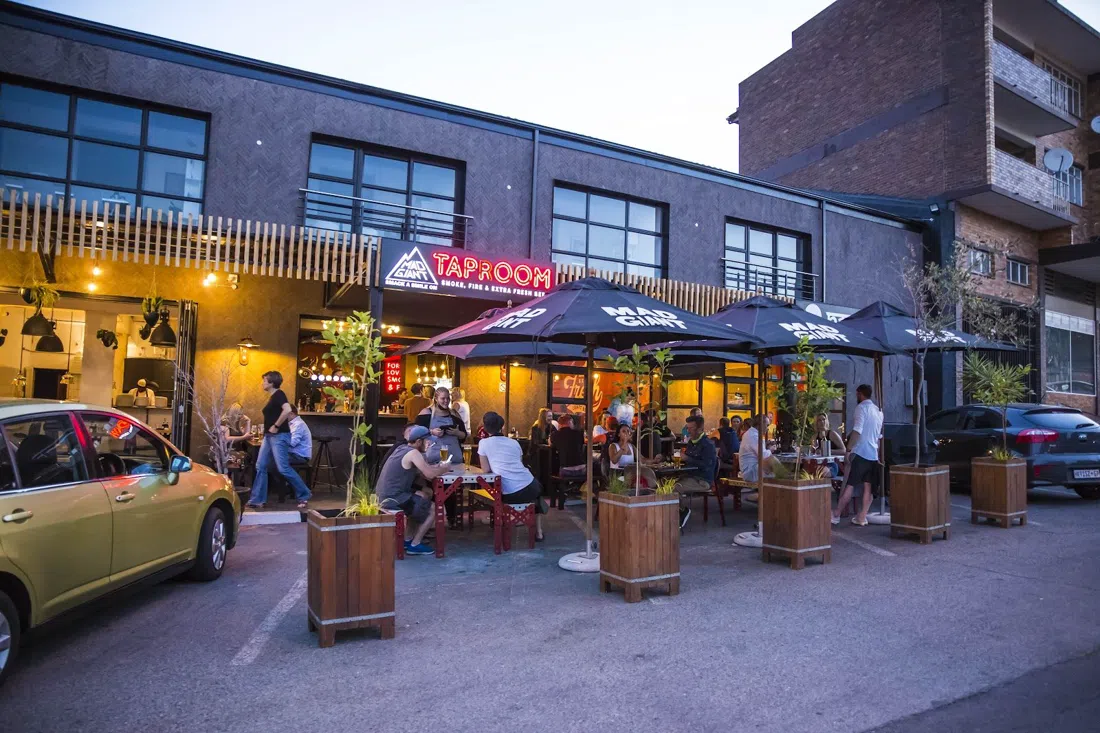
Mad Giant Taproom is in Blairgowrie, and the address matters: the original Newtown brewery bar and its Urbanologi restaurant did not survive lockdown, and older write-ups still send people to a closed door. The current taproom opens Tuesday to Sunday with six rotating taps mixing their own beers with guests and collaborations. Beer is R45-R70 and mains R120-R250, with weekday lunch specials between 12:00 and 15:00. Long tables suit groups; book ahead for eight or more.
Walks led by people who live there
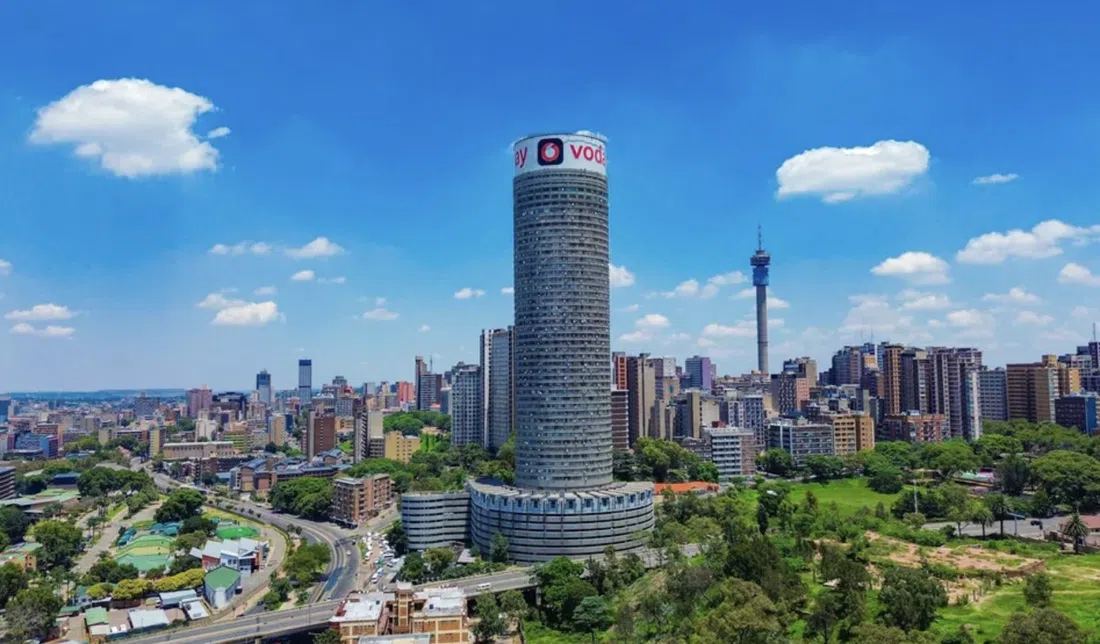
Dlala Nje runs out of Shop 1 at the base of Ponte City, the cylindrical apartment tower that has dominated the Berea and Hillbrow skyline since the 1970s. You cannot simply turn up: tours are booked in advance, run on a schedule, and cost roughly R550-R900 a person depending on which you take. The Hillbrow walking tour is the more substantial half of the offer; the tower visit alone is shorter and more photographic. The guides grew up in the building and the surrounding blocks, profits fund the community centre downstairs, and the result is a two-hour correction to almost everything written about this part of the city.
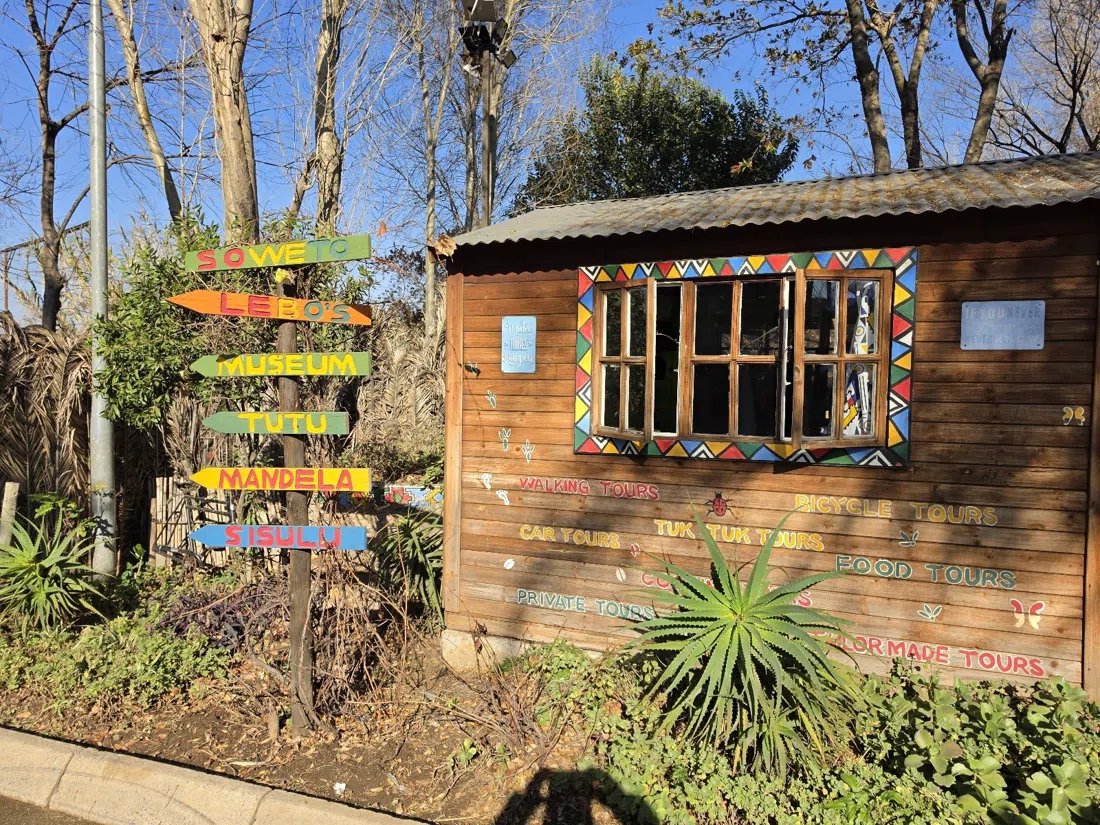
Lebo's Soweto Backpackers (Orlando West) puts you on a bicycle. Rides run 2.5 hours, half-day and full-day at R565-R850 a person, with tuk-tuks for anyone who would rather not pedal, and they are booked by email in advance. Routes take in Vilakazi Street and the Hector Pieterson memorial, but the value sits in the ordinary residential blocks in between. The pace of a bicycle keeps you in conversation with the street instead of sealed behind coach glass. Groups are the norm here rather than an imposition.
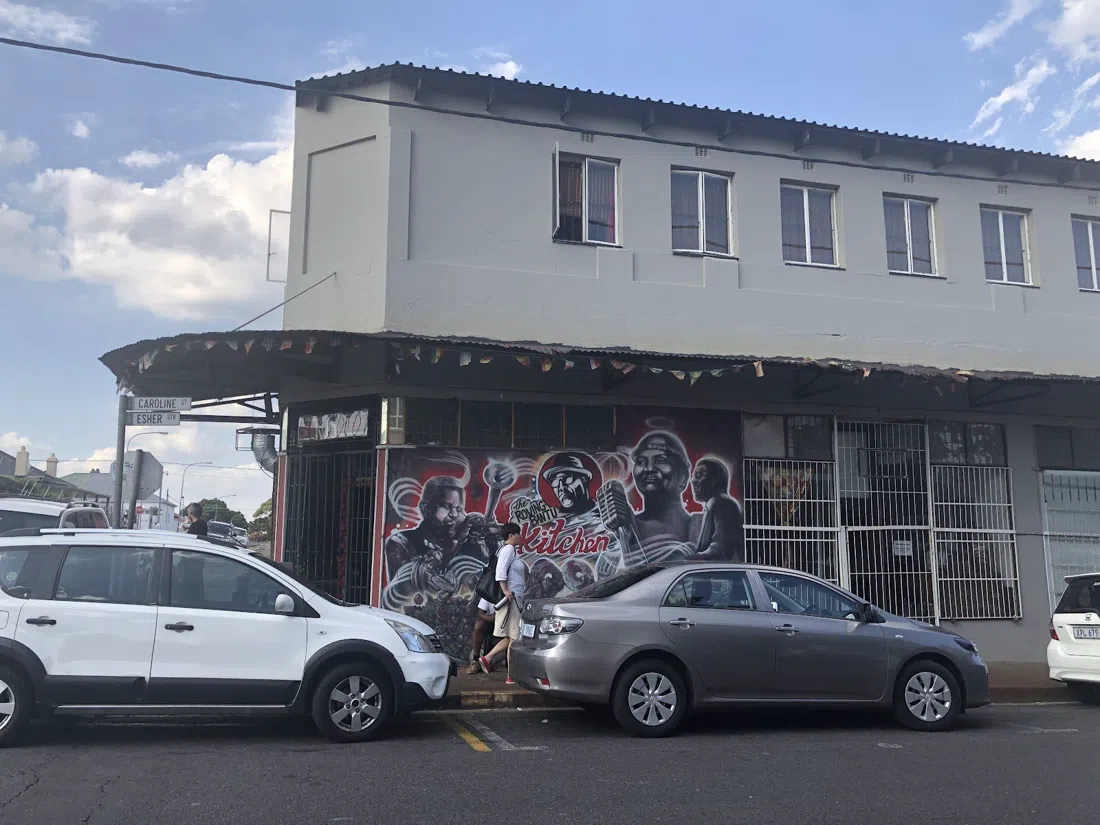
Roving Bantu Kitchen (Brixton) is Sifiso Ntuli's walk through Brixton and Fietas, and it is tailor-made rather than scheduled, so confirm dates well before you travel out. The route takes in a shebeen, a Herbert Baker church, the Hindu crematorium that Gandhi helped organise in 1914 and the Fietas Museum, which records what the removals took from that street. It ends at the kitchen itself with soul food and live jazz; the room is small and opens Thursday to Saturday from late afternoon. Budget roughly R450-R700 with lunch. This one suits curious pairs and small groups better than a large party.
Out of the city for a day
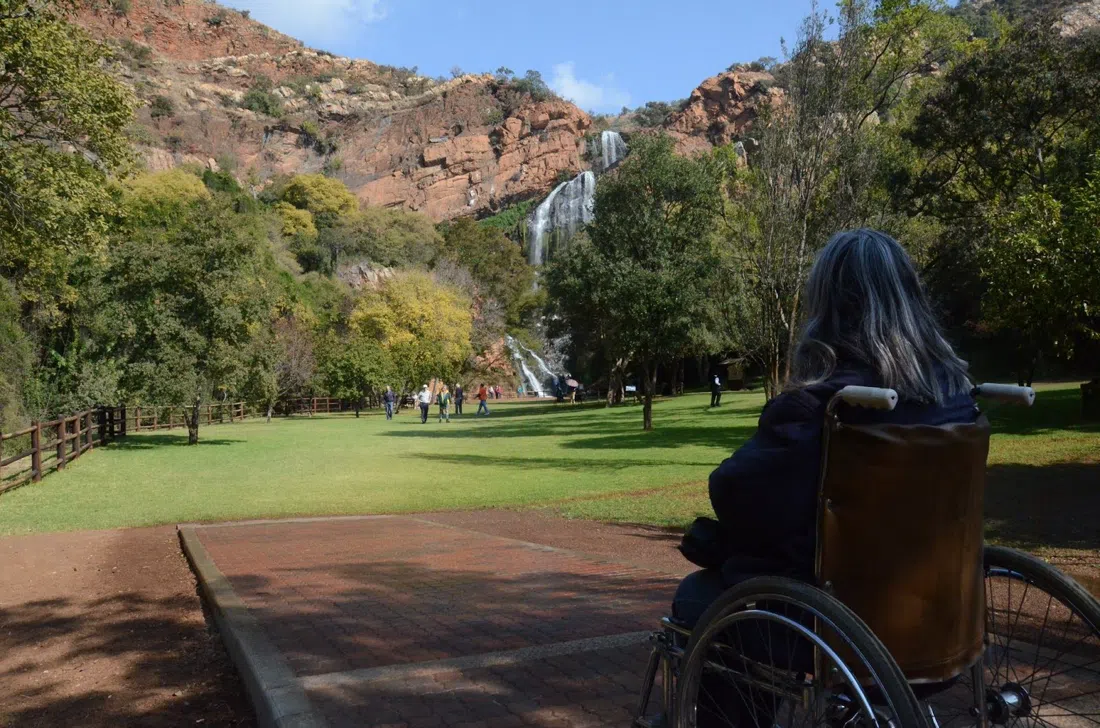
Walter Sisulu National Botanical Garden is about 35 minutes west, in Roodepoort, built around a waterfall with a pair of resident Verreaux's eagles on the cliff above it. Bring binoculars: the eagles are the reason to come rather than a bonus. Adult entry is R40-R80, under-6s free, and the picnic lawns absorb large groups without anyone feeling crowded. There is a playground and a set of exercise stations. Sundowner and jazz concerts run on the garden's stage on selected weekends through spring, ticketed separately.
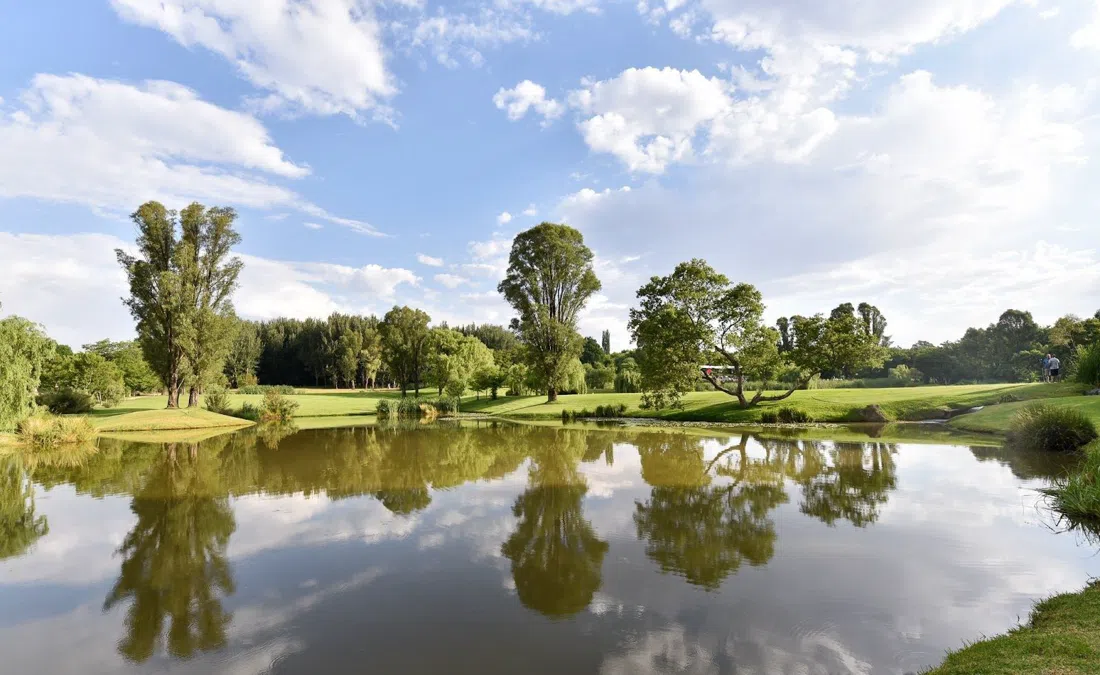
NIROX Sculpture Park lies an hour out, in the Cradle of Humankind, with permanent and rotating work set across lawns and water. It opens to the public 10:00-17:00 on weekends and public holidays; weekday access is limited, so check before driving out. Day entry is modest and concert tickets start around R80. The programme runs year-round across jazz, classical, folk and opera (the Spring Jazz date fell on 6 September 2026), and concert days sell timed tickets, which makes them the easiest way to bring a group and a picnic.
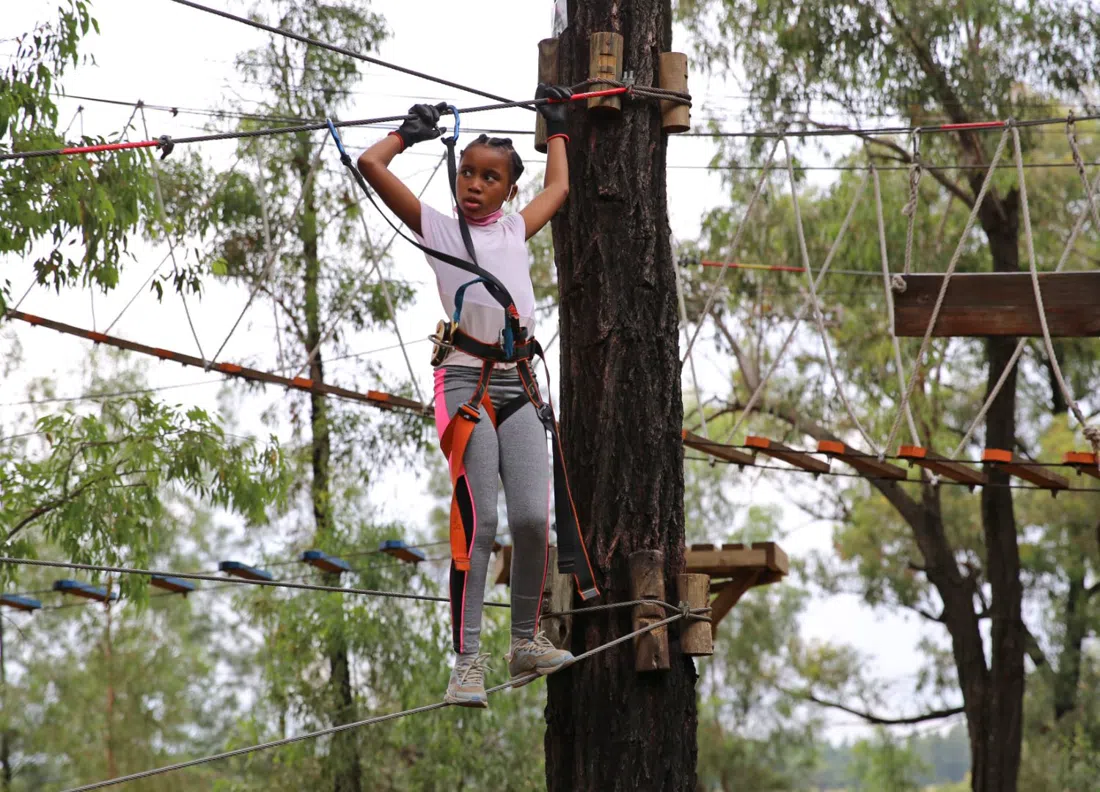
Acrobranch Melrose is the one to hold for a mixed-age group. Courses are graded from three years upward, so a family with a nervous six-year-old and a competitive teenager can all be in the trees at once. It opens Wednesday to Sunday 09:00-18:00 from September to April with a last slot at 16:00, and prices run R110-R310 a person by course. Slots must be booked, and you should arrive 30 minutes early to be harnessed and briefed. Schools, corporate groups and large parties are explicitly catered for, with packages and on-site catering.
Practical notes for a spring visit
Assume a car or a ride-hail for everything. The Gautrain is clean and useful on the north-south line and puts you within walking distance of the Rosebank galleries, but nothing else on this list is served by it. Distances between precincts are long (Lorentzville to Blairgowrie is a proper drive), so group two or three stops per day by area rather than by theme.
Cards work almost everywhere and The Playground takes nothing else. Fordsburg is the exception: carry small notes for stalls. Keep R20 coins or a card for parking attendants at Emmarentia and elsewhere.
Mornings are the reliable half of a spring day. From October the afternoon thunderstorms are frequent and heavy, and they close down open-air markets and garden concerts quickly, so put the outdoor plans before lunch and the basement, theatre and gallery plans after it. Sunset sits around 18:00 early in the season and closer to 18:45 by November.
A full day of markets and free galleries costs R200-R400 a person including food. A guided walk or a ride adds R450-R900. A concert at a garden or sculpture park is R80 upwards plus whatever you pack. Two people can have a serious three-day weekend here for well under what a single day costs in most comparable cities.
Rosebank and the Melrose-Illovo strip put you closest to the galleries, the taproom and the outdoor activity parks, with the shortest drives to Braamfontein and Newtown for evening shows; compare rates and locations on Johannesburg hotel search. For neighbourhood-by-neighbourhood context, opening seasons and the standard sights this article deliberately skips, start with the Johannesburg guide.