The Johannesburg issue
How to See Johannesburg Safely Without Seeing Less
Johannesburg's rooms, rides and markets are open to anyone who visits. The work is knowing which block wants a guide, which day it is shut, and where the train is the safer way across town.

By Bram VerhoevenThe city read by its neighbourhoods
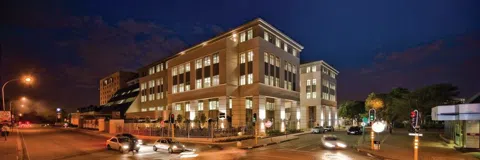
Johannesburg sits at roughly 1,750 metres on the reef that made it, and the flat-topped mine dumps along the highway are the first thing most arrivals see. It is a city that rewards planning far more than nerve. The gap between a good week here and a bad twenty minutes is almost always a question of which block, which day, and whether you booked ahead. Nearly everything worth seeing is open to you, though very little of it is open to wandering.
Start with the two places that make the rest legible
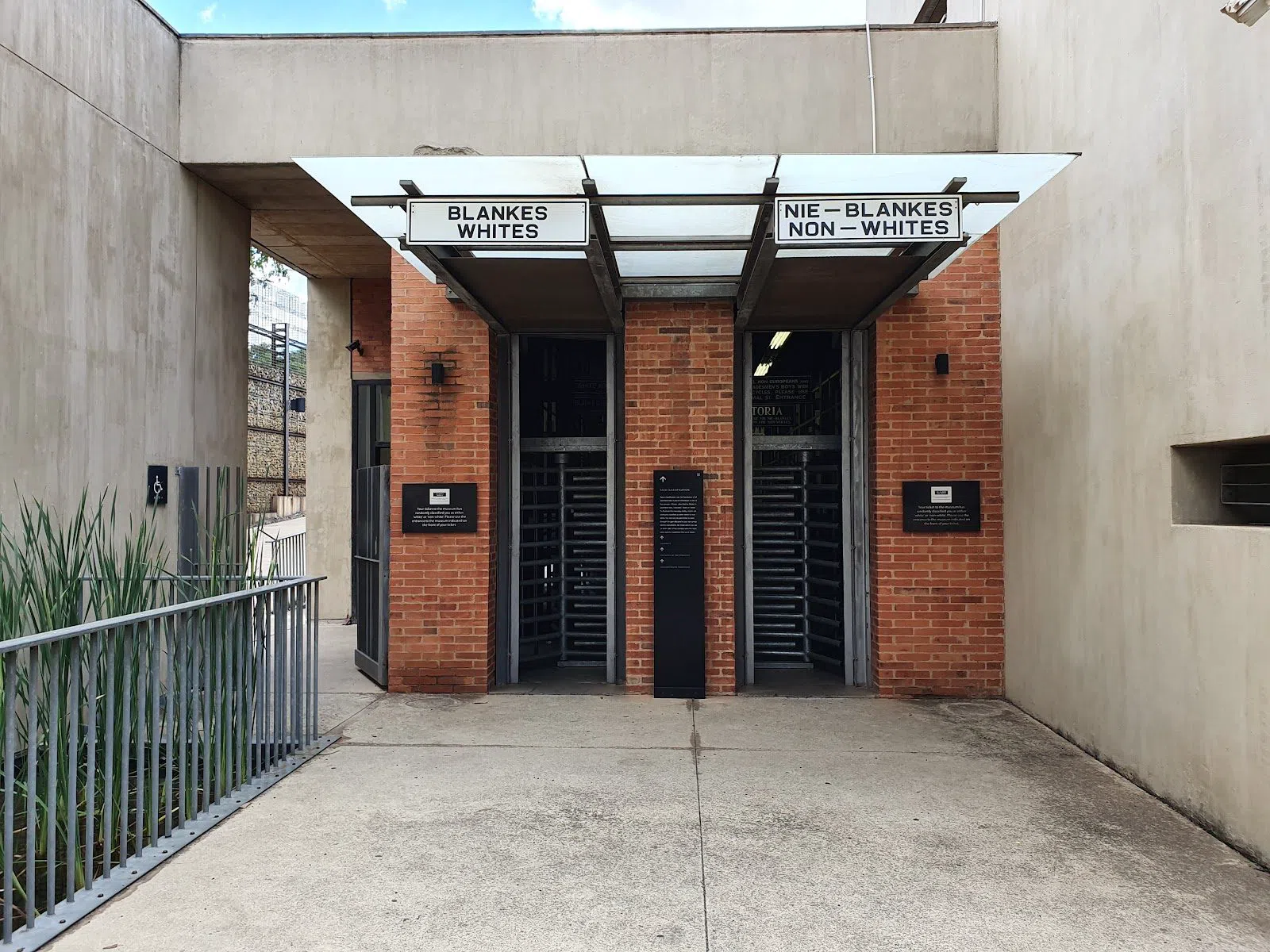
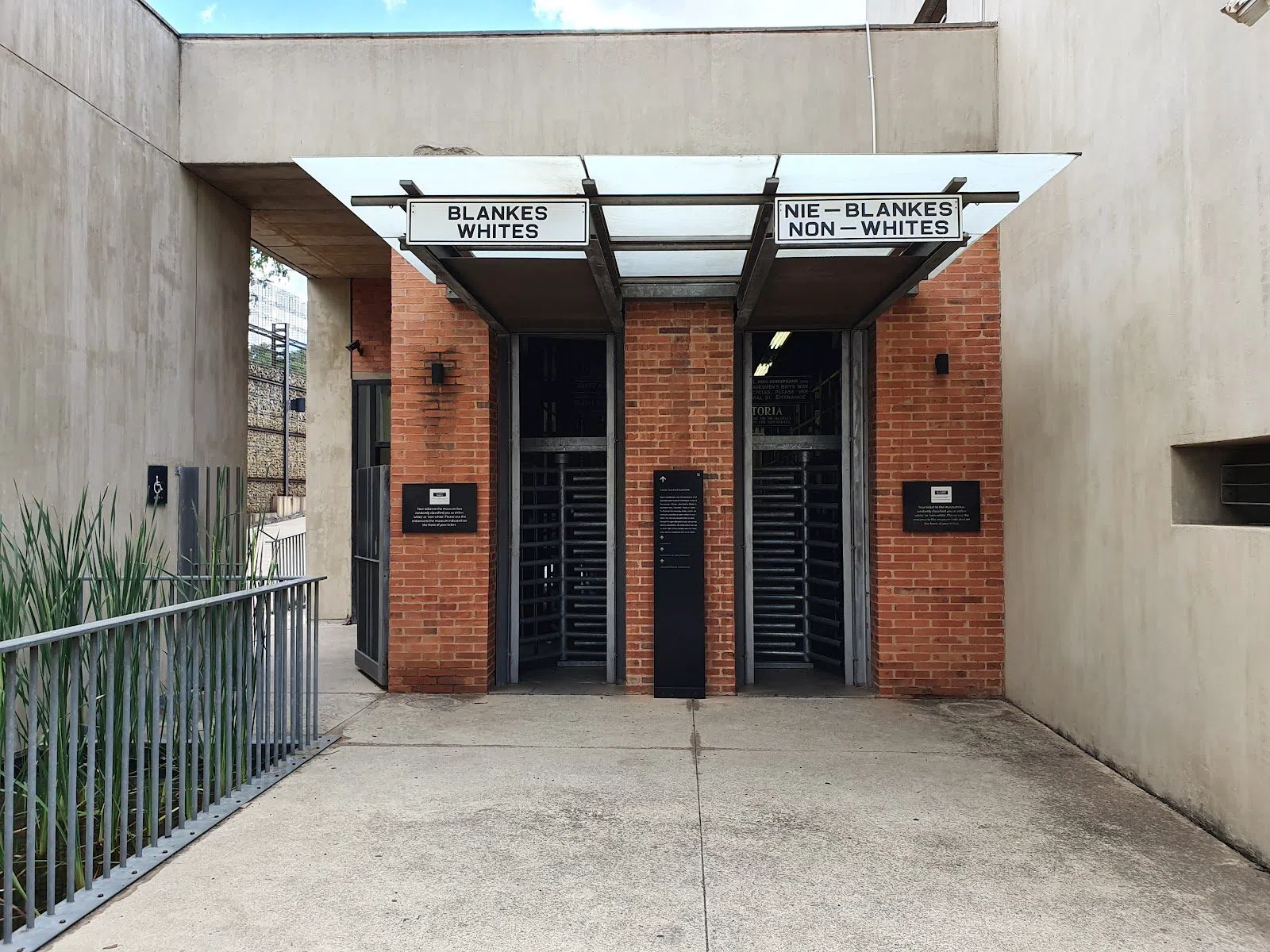
The Apartheid Museum (Ormonde, a short drive south of the centre) is the stop that makes every other street in this city readable, and I would not let a short trip drop it. Entry is R240 for adults in 2026. The building takes groups without strain: school parties and tour groups are routine, and guided group visits are arranged in advance by phone or email. It works just as well for one person with a morning to spend. Allow two and a half hours, and do not schedule anything demanding afterwards; the sequence of rooms is deliberately heavy and most people come out quiet.
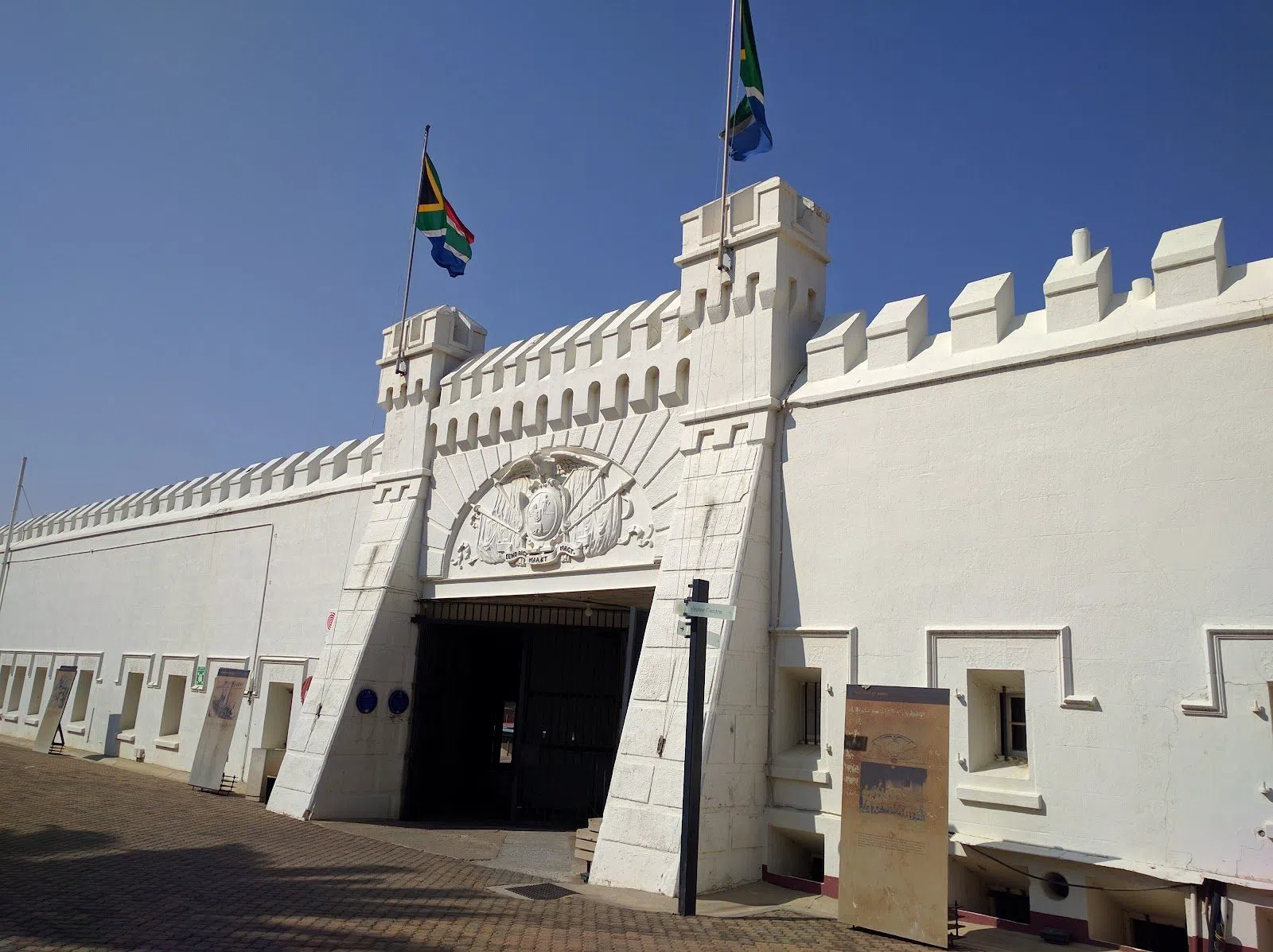
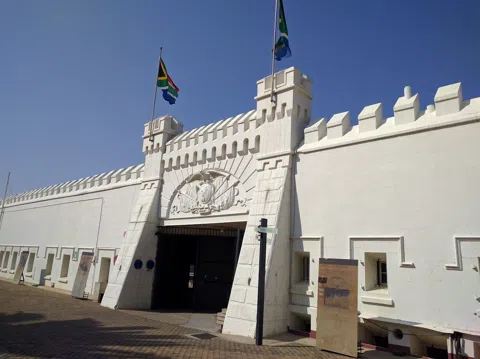
The calendar is the catch. It closes on Mondays and Tuesdays, which wrecks more short itineraries than anything else in this article. If those are your only free days, go to Constitution Hill (Braamfontein, on the ridge above the inner city), which is not a substitute so much as the other half of the same argument. It is open nine to five every day of the week, Mondays included, at R120 for adults and R65 for children. Highlights tours run hourly and take an hour; the two-hour full tour leaves at 10:00 and 13:00 and is the one worth planning around. Groups pre-book through the visitor centre. It is a working court built inside a former prison, and the fact that the court still sits there, daily, is the point of the visit.
Plan your Johannesburg trip
Live prices from our booking partners.
Free cancellation on many rooms. We may earn a commission when you book.
Soweto deserves more than a drive-past
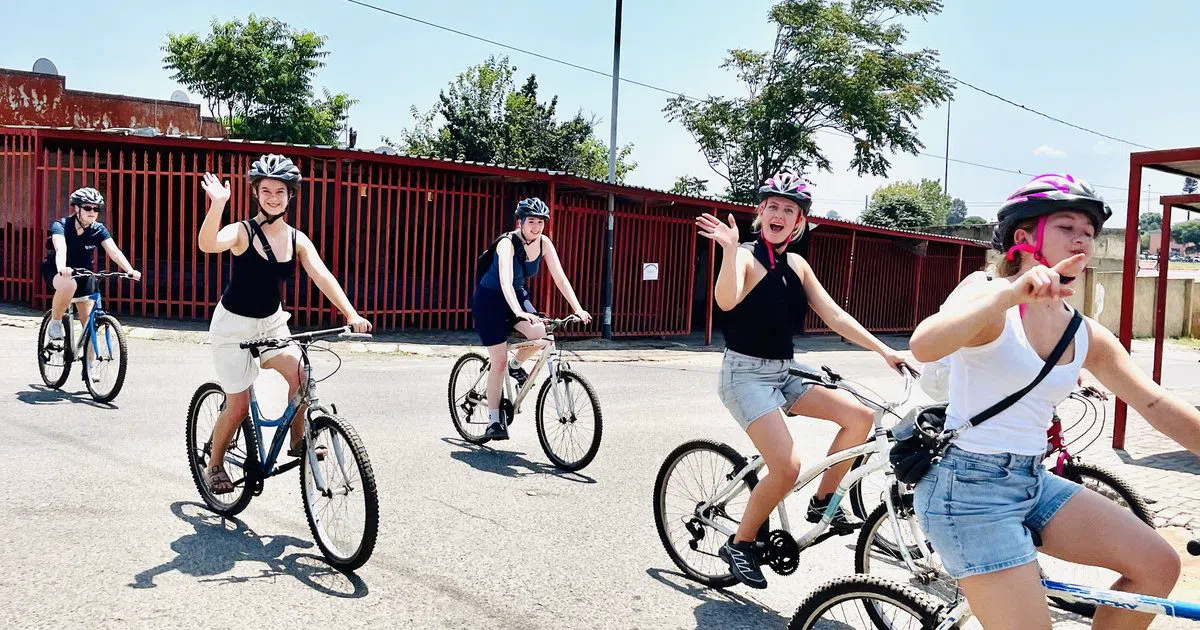
Plenty of operators will move you through Soweto in a minibus with the windows up, stop at two memorials and return you to your hotel with photographs and nothing else. The alternative is Lebo's Soweto Backpackers (Orlando West), which runs bicycle tours from R520 per person with local guides, on two-hour, half-day and full-day routes taking in Vilakazi Street, the Hector Pieterson memorial and shebeen stops along the way. Overnight guests get a discount and larger parties are booked direct. The two-hour ride suits most visitors; take the full day only if you want the parts of Soweto that are not the memorial strip. Groups work well here because the format was built for them, and couples do fine on a public departure.
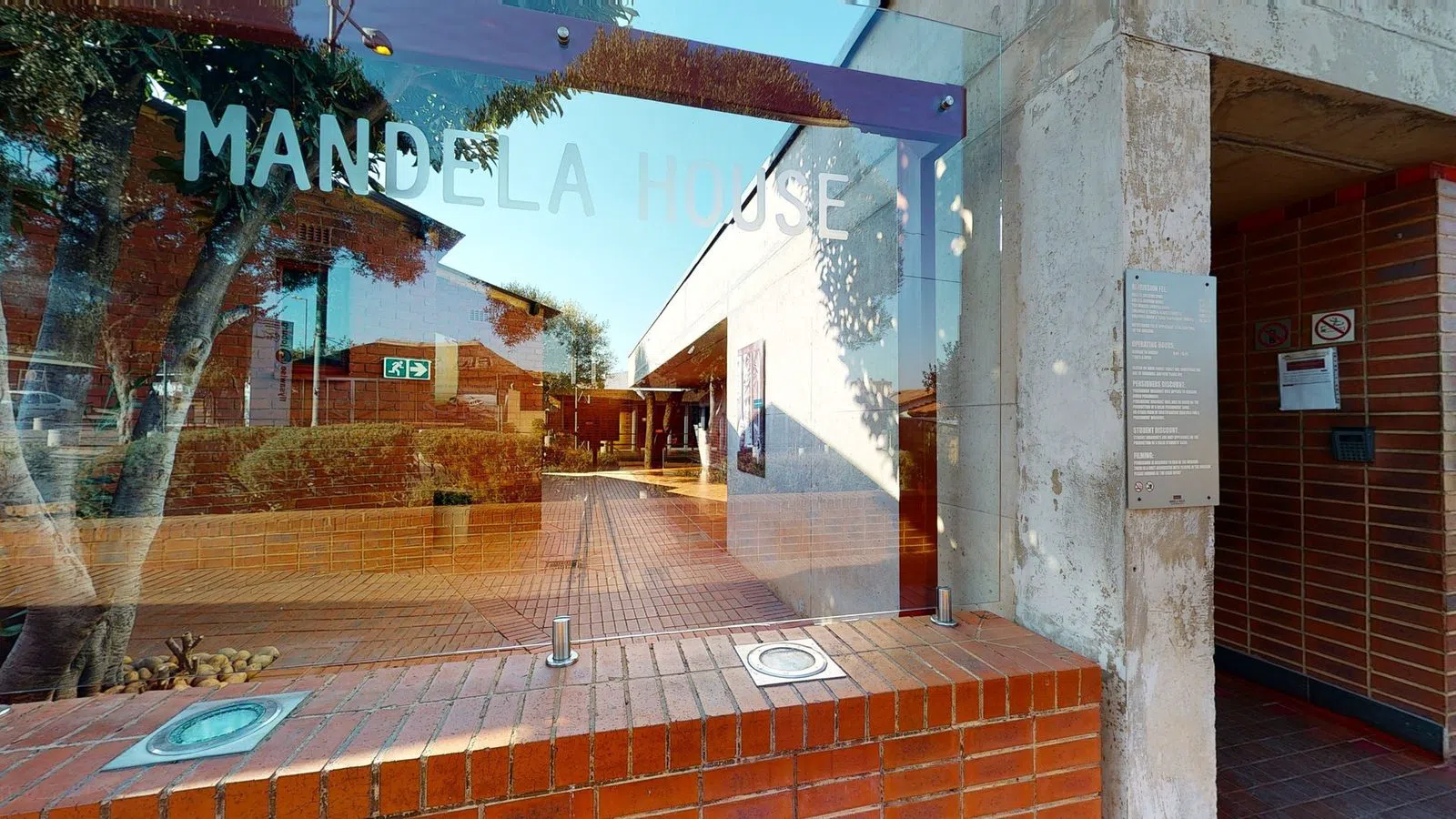
Mandela House (Orlando West, on Vilakazi Street) anchors that walk, and nearly every operator builds it into the route. Adult entry is about R110, roughly US$6. It is open Wednesday to Sunday only, so a Monday or Tuesday in Soweto loses it entirely, and it has been fully cashless since December 2025, so bring a card, because cash is turned away at the door. The house is small and it fills; go early rather than at midday, and give the back rooms the time they ask for.
The inner city works with a guide, and not otherwise
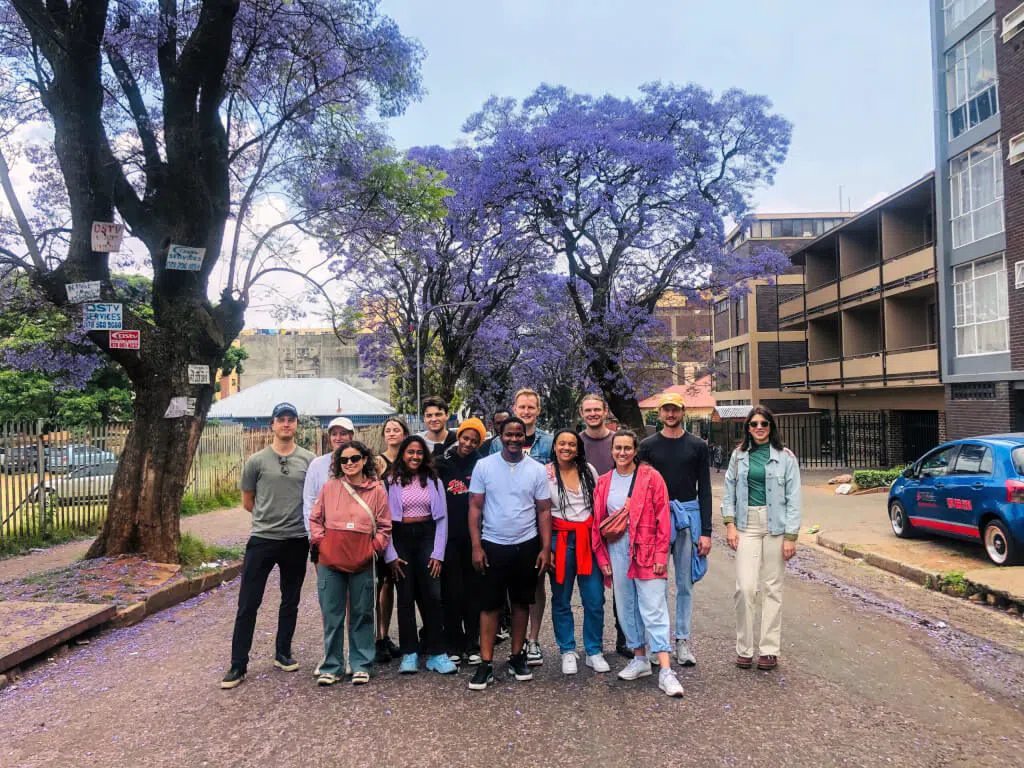
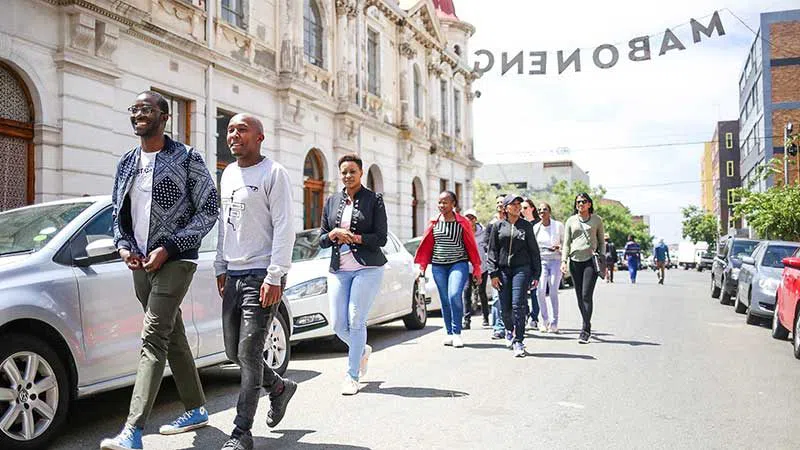
This is the part first-time visitors get wrong in both directions, either writing off the centre completely or walking into Hillbrow because something they read said it was fine. Dlala Nje (Ponte City, on the Berea and Hillbrow edge) settles it. It runs public walks through Ponte, Hillbrow, Yeoville and Maboneng at roughly R500 to R900 depending on the experience, takes school and corporate bookings alongside those, and puts its profits into the community centre downstairs. Do not attempt Ponte or Hillbrow independently; no resident would endorse that plan.
Past Experiences (inner city) is the more literate walk. Founded by the archaeologist Jo Buitendach, it runs street-art and 'Naming Jozi' routes at around R450 to R700 per person, with graffiti walks sometimes co-hosted by the artists whose work you are standing under. Small-group is the default format, which makes it the better fit for couples and pairs; private and larger group departures are arranged direct, so if you are eight people, say so when you book rather than turning up.
Both operators are doing the same job, which is putting a person who knows the block between you and the block. That is how central Johannesburg is made safe for a visitor, and it costs less than a single museum day in most major capitals.
Where you sleep decides how much of the city you get
CURIOCITY Johannesburg (Maboneng) is the credible inner-city base if you do not want Sandton. Dorms start around R350, private rooms run roughly R900 to R1,600, and there is a bar and a tour desk on site, which makes it a workable single address for a group that wants everyone in one building. Its own two-hour Maboneng walk explains how the precinct was assembled better than an afternoon of drifting will, and drifting is precisely what the blocks around Maboneng do not support.
Sandton and Rosebank are the other honest answers. Both are comfortable to walk in daylight, both sit on the train, and both cost you some of the sense that you are in Johannesburg rather than beside it. If it is your first visit and four nights or fewer, take Rosebank: you get the walkability without the mall-fortress feeling, and the airport line comes to you. Compare areas and rates through the Johannesburg hotel search before committing, because the price gap between the northern suburbs and the inner city is wide enough to fund two guided walks.
Precincts that only work on the right day
Arts on Main (Maboneng) is free to enter, has no door policy and absorbs groups easily. It opens Tuesday to Sunday, nine to five, but the day to come is Sunday, when Market on Main runs from 10 to 3 and food and drink land between R60 and R180. Ride in and ride out. The surrounding blocks are not a walk, and that is the standing local advice, given by the people who work there.
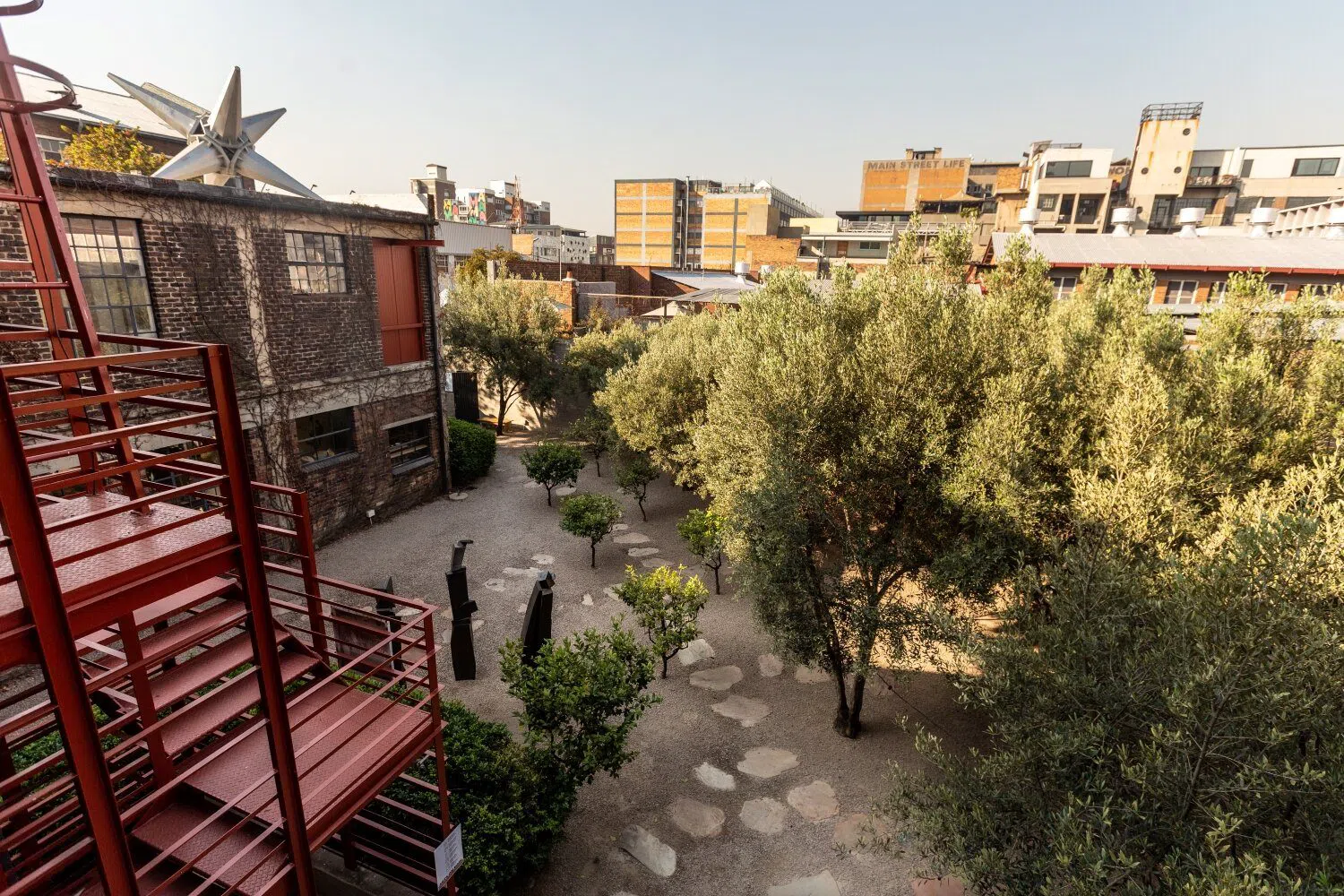
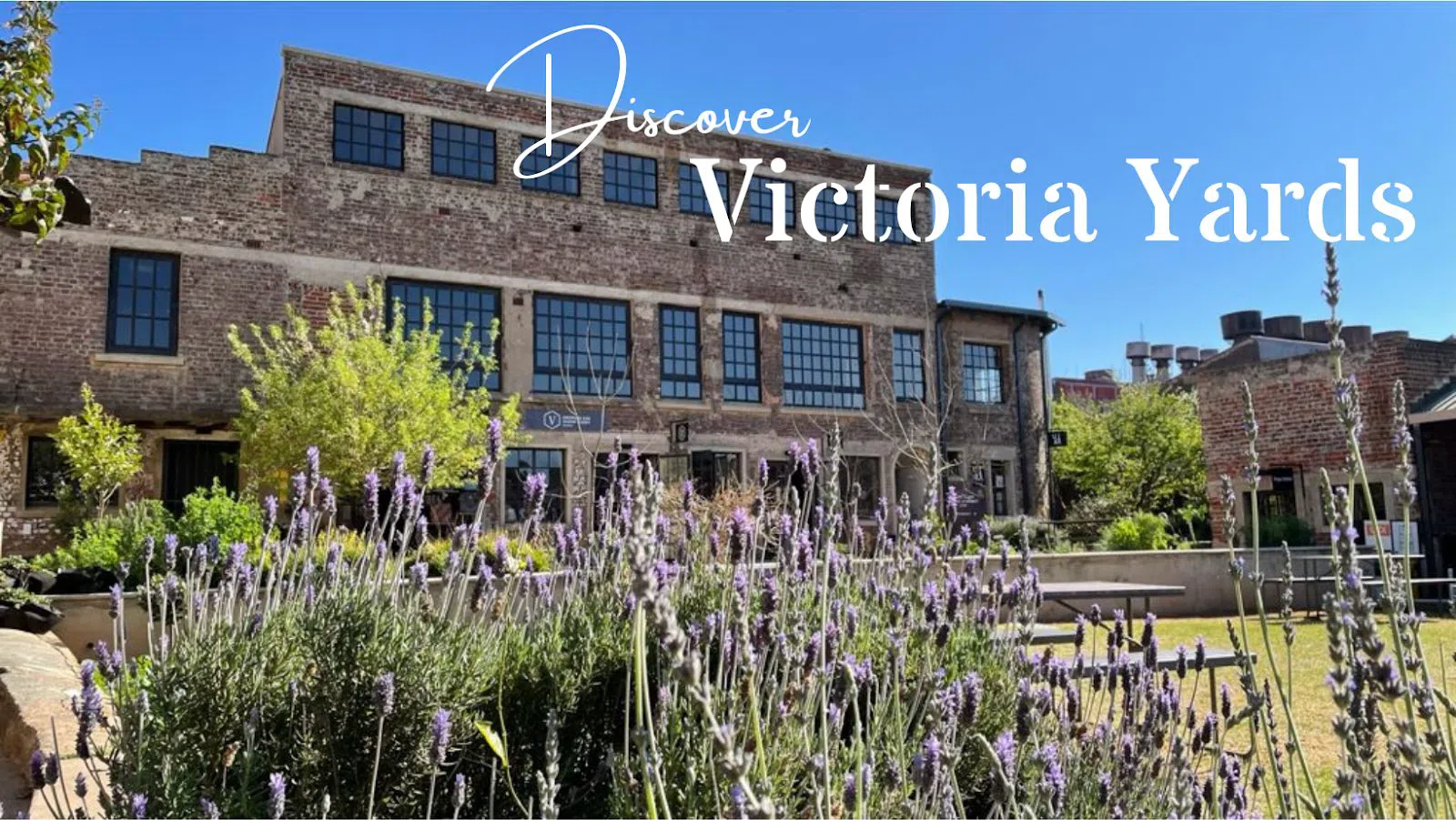
Victoria Yards (Lorentzville) is the same idea a little further east, and the rare inner-city stop where driving yourself is reasonable: entry is free, parking is free and secure, and the street parking is guarded. Plan around the first Sunday of the month, when every studio opens, the bars run and there is live music; on ordinary days it is quieter and some studios are shut. The Lorentzville streets outside the gates are not for wandering either. Both precincts suit couples, families and groups equally, and nobody is judged at the door because there is no door.
A Braamfontein Saturday you can do on foot
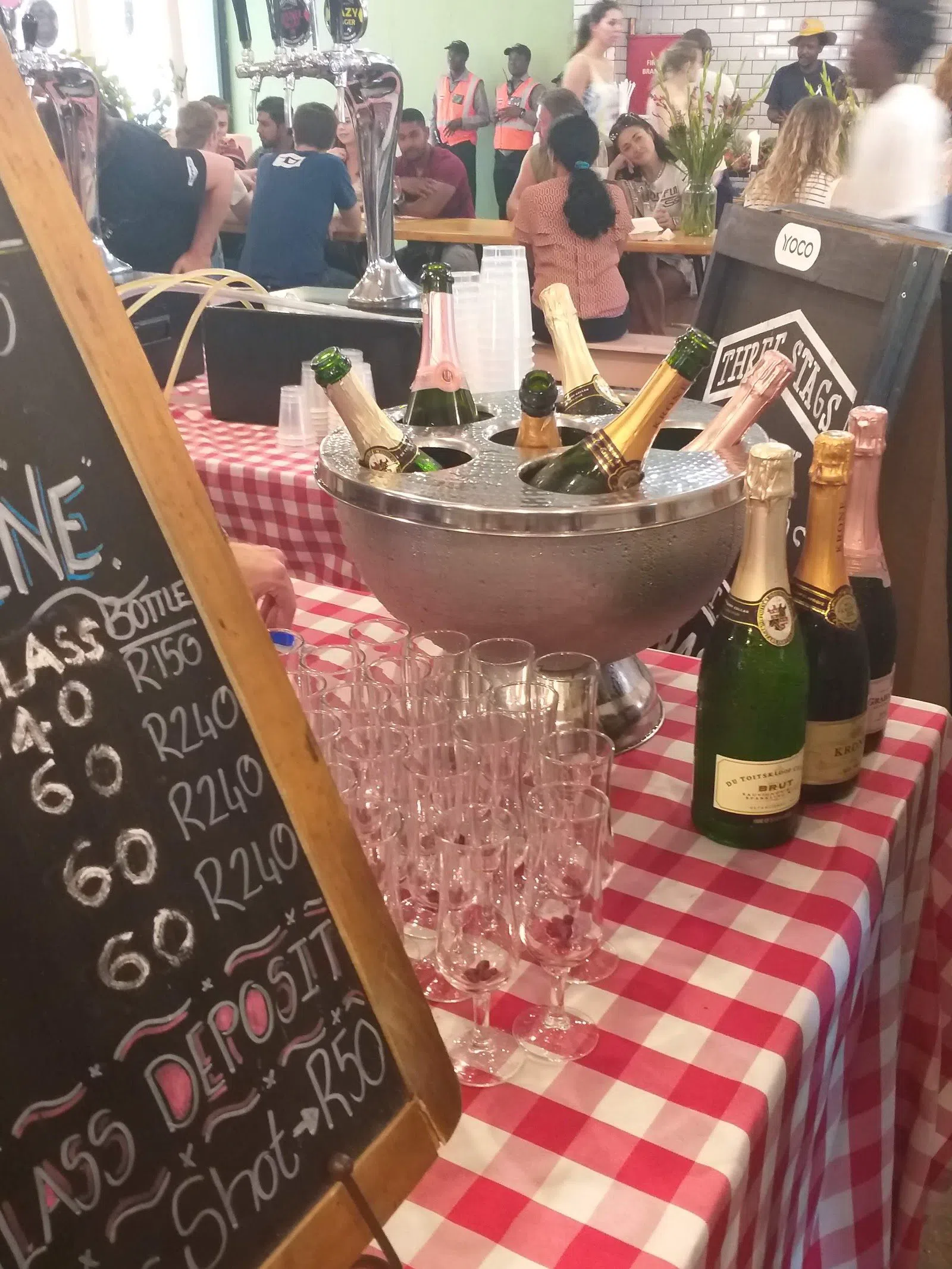
If the inner city still feels like a stretch, Neighbourgoods Market (Braamfontein) is the softest landing available. Saturdays only, roughly nine to three, free to enter, food and drink from R70 to R200. No door policy, groups are fine, but it is genuinely packed by midday, so arrive before eleven if you want somewhere to sit. The surrounding streets are walkable in daylight and well policed on a Saturday, which is not a claim I would make about them on a Tuesday night.
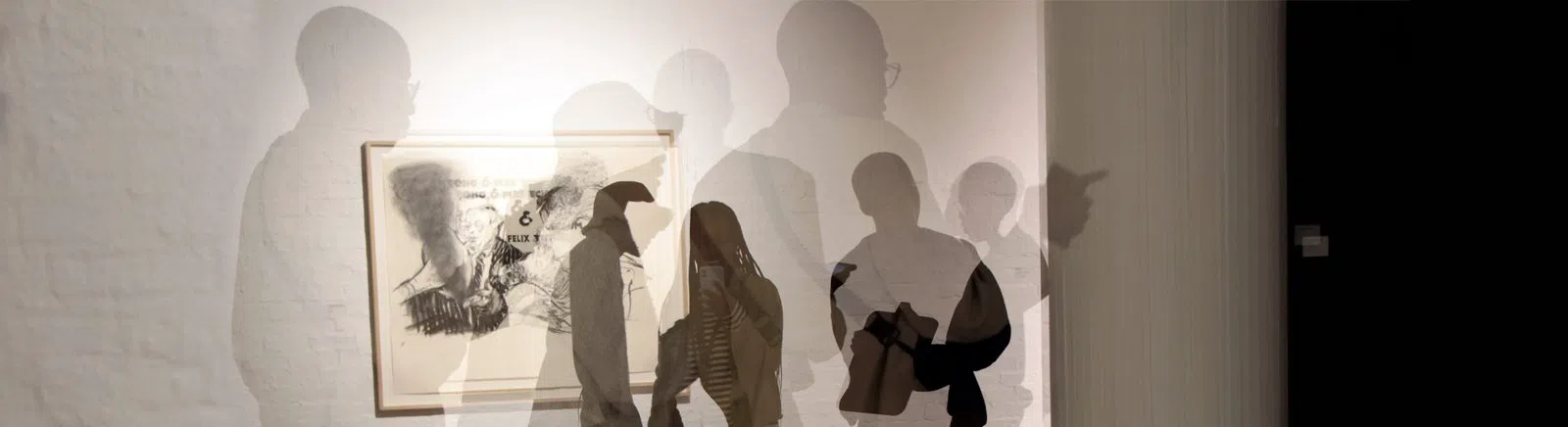
Five minutes away is the Wits Art Museum (Braamfontein), free, open Tuesday to Saturday from ten to four, holding one of the strongest historical and contemporary African art collections on the continent. Call ahead if you want a guided group visit. That pairing is the best-value morning in the city: a market, a serious museum and a short walk between them for the price of lunch. Constitution Hill sits in the same area, so one well-started Saturday can carry all three.
Rosebank when you want the low-stress version
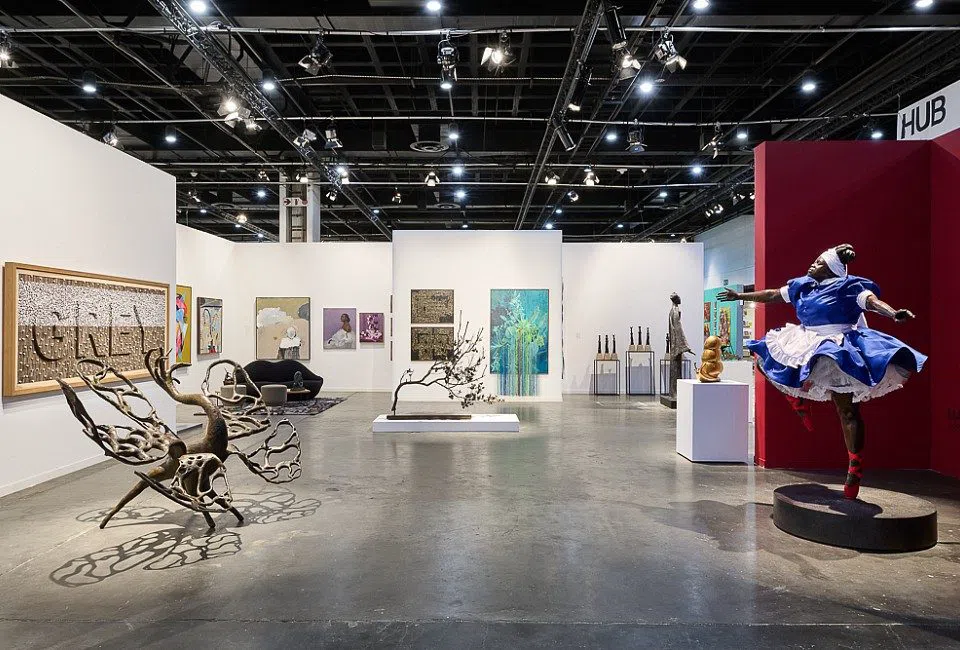
Everard Read & Circa (Rosebank) is free to walk into, groups included: Africa's oldest commercial gallery, founded in 1913, plus its sculptural sister building next door. It opens Monday to Friday nine to six and Saturday nine to one. Note the Sunday closure, because Sunday is the day most visitors have free. Put the gallery on a Saturday morning rather than discovering this at the gate.
Rosebank Sunday Market (Rosebank) takes the Sunday instead. Free entry, nine to four on the roof, more than thirty years old, with a kids' area, bars, and goods and food from R50 to R400. Large groups are no trouble. It is a short walk from the Rosebank station, so the whole day can be done without a car at any point. The trade is honest: this is the most polished and least surprising version of Johannesburg market culture. On a first day, or a last one, that is exactly the right trade.
Ridge, grassland and deep time
Melville Koppies Nature Reserve (Melville) is a surviving piece of the ridge the city was built over. Melville Koppies Central is locked except for guided walks on Sunday mornings, 08:00 to 11:30, at around R60 to R100 per person; the 90-minute tour must be booked, and groups are catered for. Park at Marks Park in Judith Road. Do not treat this as a casual solo hike; the gate and the guide are the reason it is a good idea at all.

Sterkfontein Caves (Cradle of Humankind, under an hour northwest by car) is the day trip that earns the drive. It reopened in April 2025 under Wits management after two years shut by flood damage, and live excavation is now visible from the tour route. Hourly guided tours are included in the ticket at roughly R200 to R270 for adults, group bookings are standard, and a combined ticket with the Maropeng visitor centre nearby costs more. Confirm the day before you go, because heavy rain has closed it before and will again.
Moving around without the one bad journey
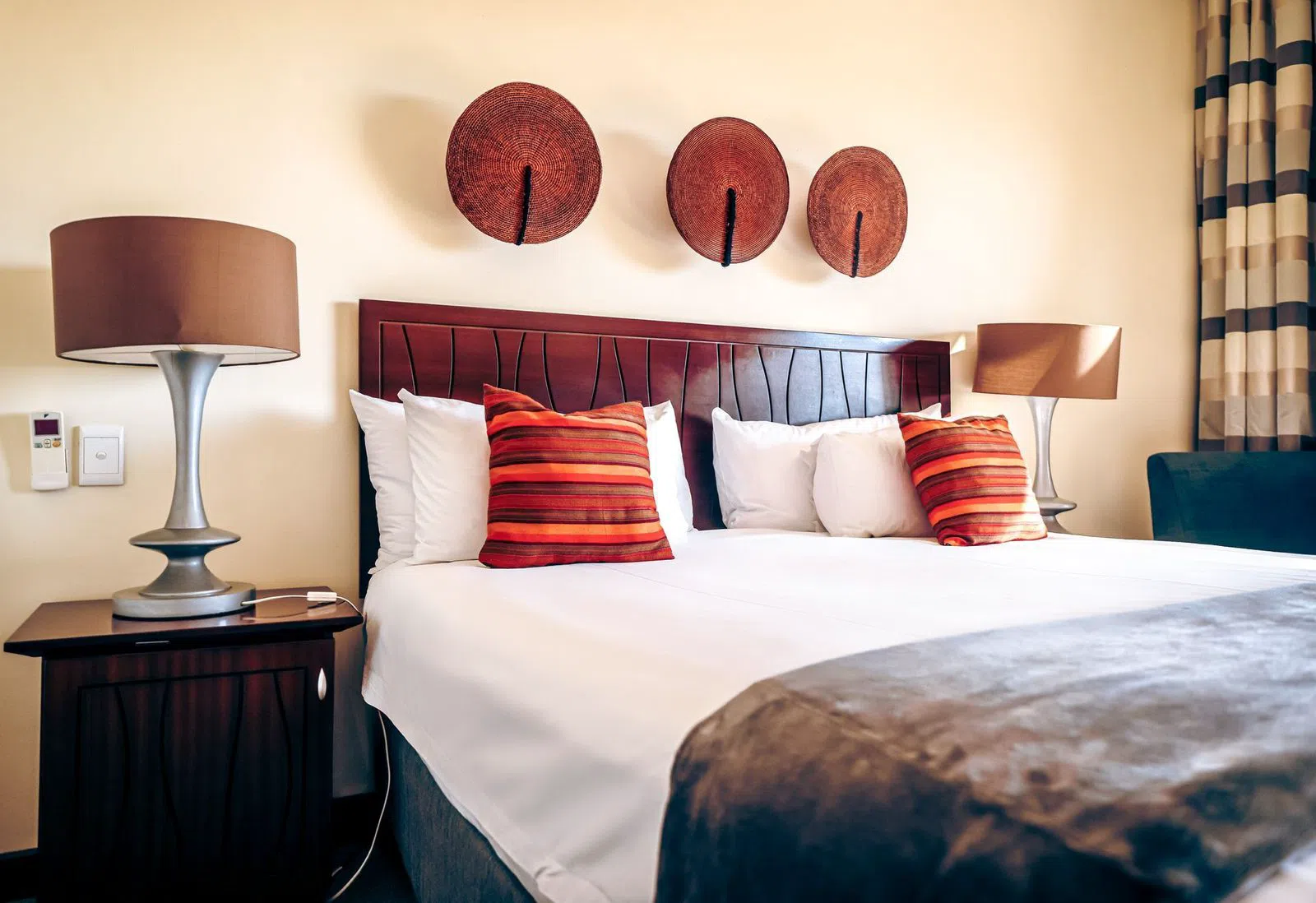
The Gautrain removes the single riskiest journey most visitors make, which is the road in from the airport. A single from OR Tambo to Sandton is about R142; suburban hops run R40 to R70. Buy per-person gold cards at the station kiosks, and luggage is fine on the airport line. It runs roughly 05:10 to 21:20, so a late arrival needs a car booked in advance rather than improvised on the pavement at midnight.
Everything else is e-hailing, and it is cheap by international standards. Order from inside the building you are in, wait inside until the car is at the kerb, and keep the phone away while you walk out. Distances here are large (Ormonde to Braamfontein, Maboneng to Rosebank), so budget for cars rather than trying to close the gaps on foot.
Practical notes before you go
Build the week around opening days rather than around areas: the Apartheid Museum is shut Mondays and Tuesdays, Mandela House opens Wednesday to Sunday, Neighbourgoods is Saturday only, Market on Main is Sunday, Victoria Yards peaks on the first Sunday, Melville Koppies Central opens Sunday mornings, and the Rosebank gallery closes on Sundays. Winter mornings are cold and dry and the light goes early, which matters more for planning than the temperature does.
Cards work almost everywhere and are mandatory at Mandela House. Carry a modest amount of rand for market stalls, guides and tips, kept separate from your phone.
On money, a two-museum day runs about R360 in entries plus cars; a guided inner-city walk is R500 to R900; a Soweto bicycle day is R520 plus R110 at the door. Beds range from R350 in a dorm to R1,600 for an inner-city private room.
Three full days covers the two history stops, a Soweto ride and one guided walk. Five adds Sterkfontein, a market and time to sit still. For seasons, areas and what else is running, see the Johannesburg guide.
Before you go
Is Johannesburg safe for a first-time visitor?
It is manageable rather than carefree. Safety here depends on where you are and when: Braamfontein on a Saturday morning, Rosebank, Sandton and the gated precincts are fine on foot in daylight, while the streets around Maboneng, Lorentzville, Hillbrow and Ponte want a guide or a car. Use e-hailing for the gaps, wait indoors for your car, and do not walk between areas after dark.
Where should I stay on a first visit?
Rosebank is the easiest base for a first visit: walkable, on the Gautrain line, and a short ride from most things in this article. Sandton feels safer and corporate, and you pay for that in atmosphere. For the inner city, CURIOCITY in Maboneng is the credible choice, with dorms from around R350 and private rooms between R900 and R1,600.
Can I visit Soweto, Hillbrow or Ponte on my own?
Most people see Soweto with an operator, and a bicycle tour with Lebo's Soweto Backpackers from R520 per person shows it at street level. Hillbrow and Ponte are a different case: go only with Dlala Nje, which runs walks there at roughly R500 to R900 and puts the proceeds into a community centre. Do not visit those two on your own.
Do I need cash in Johannesburg?
Cards cover almost everything, and Mandela House has been fully cashless since December 2025, so you cannot pay there any other way. Carry a small amount of rand for market stalls, guides and tips, and keep it separate from your phone and cards.
Which days ruin a short Johannesburg itinerary?
Mondays and Tuesdays, because the Apartheid Museum is closed and Mandela House opens Wednesday to Sunday. Constitution Hill is open nine to five every day and covers the same history, so put it on those days. Saturdays are for Neighbourgoods and the Wits Art Museum, Sundays for Market on Main, the Rosebank Sunday Market and the guided Melville Koppies walk.